
Managing Nasal Polyps: From Causes To Removal Options
Did you know that tiny growths inside your nose could be behind that stubborn congestion or lost sense of smell?
These are called nasal polyps, and while they’re usually harmless, they can make life surprisingly uncomfortable, affecting your breathing, sleep, and overall quality of life.
In this blog, we’ll explore the causes, symptoms, and effective nasal polyps removal options to help you breathe easier and feel more comfortable.
What are nasal polyps?
Nasal polyps are soft, painless, noncancerous growths that form on the lining of your nasal passages or sinuses.
They often form in areas where chronic inflammation occurs, such as from allergies, asthma, or recurring sinus infections. While they are usually harmless, their size and number can cause significant discomfort by blocking nasal airflow, making it difficult to breathe, and affecting your sense of smell.
What do nasal polyps look like?
Nasal polyps are soft, smooth, and pale, often teardrop-shaped or grape-like. Some are tiny and barely noticeable, while larger ones can block nasal airflow, causing congestion and breathing difficulties.
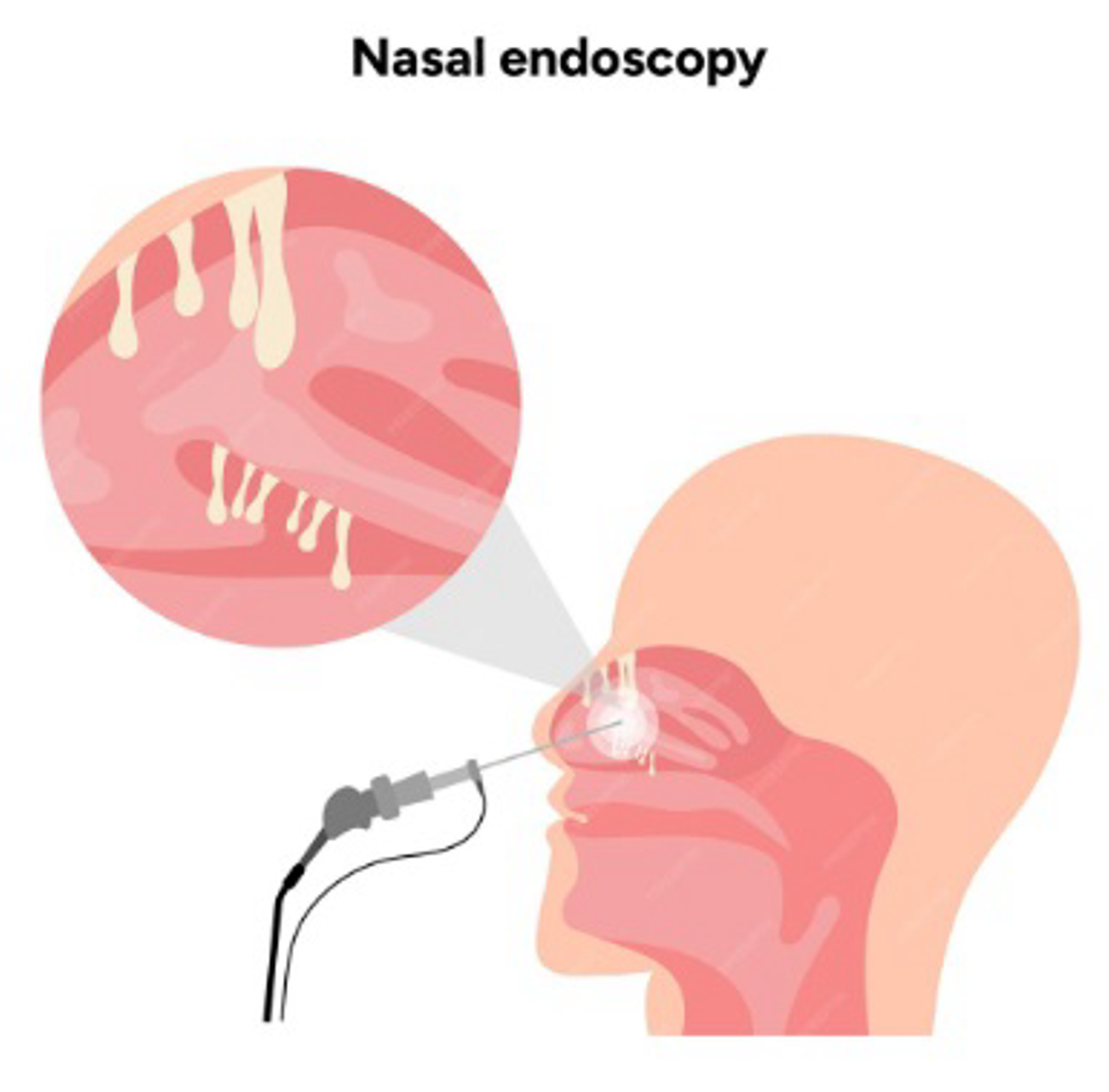
They usually require a medical exam to see clearly, often using a nasal endoscope. Although painless and noncancerous, polyps can affect your sense of smell, cause snoring, or lead to recurring sinus infections, which may necessitate surgery for nasal polyps.
What are the common causes of nasal polyps?
Nasal polyps develop when the lining of your nasal passages or sinuses becomes chronically inflamed. Some common causes and risk factors include:
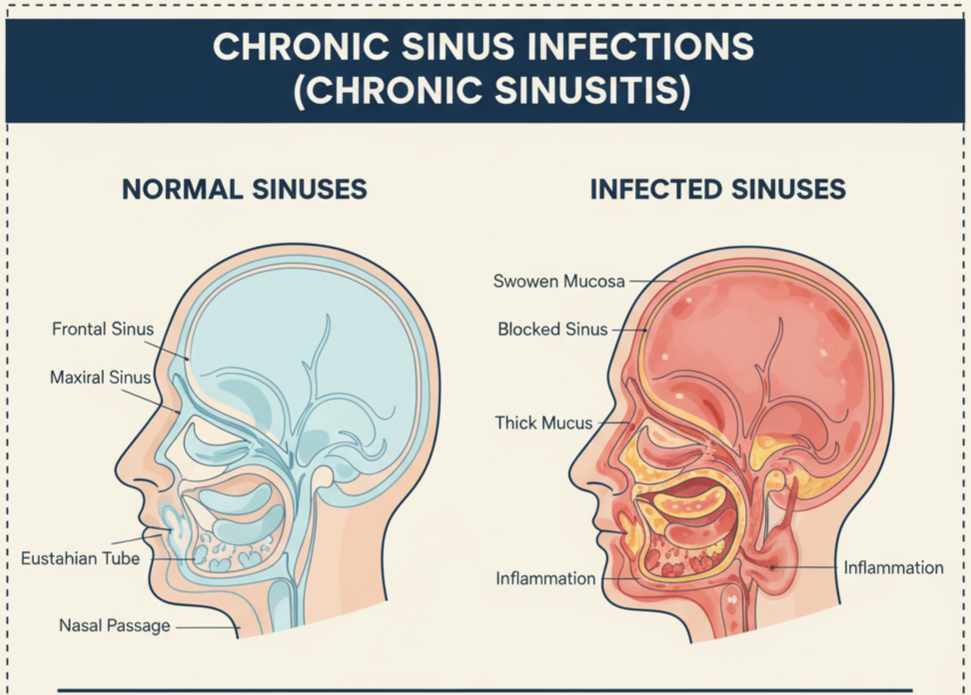
- Chronic sinus infections: Long-term inflammation can trigger polyp formation.
- Allergies and asthma: Individuals with allergic rhinitis or asthma are more susceptible to developing polyps.
- Genetic factors: A family history of nasal polyps increases your risk.
- Immune system disorders: Certain conditions can make your nasal lining more sensitive.
- Environmental irritants: Smoke, dust, and pollutants may contribute to inflammation.
Understanding these triggers can make it easier to manage symptoms and prevent recurrence, alongside treatments such as medications or surgery for nasal polyps.
What are the symptoms of nasal polyps?
Nasal polyps can develop gradually, and some people may not notice them at first. Common signs and symptoms include:
- Persistent nasal congestion or blocked nose
- Reduced or lost sense of smell
- Runny nose or post-nasal drip
- Facial pressure or pain around the sinuses
- Snoring or sleep disturbances
- Frequent sinus infections that don’t fully resolve
If you notice these symptoms, it’s important to consult an ENT specialist. Early diagnosis can help manage polyps with medications or through the removal of nasal polyps if needed.
Also Read – Treating Sinus Infection Ear Pain
Diagnosis: How doctors identify nasal polyps?
If you have persistent nasal symptoms, an ENT specialist can diagnose nasal polyps through:
- Physical examination: Doctors may inspect your nasal passages with a light or small mirror.
- Nasal endoscopy: A thin, flexible tube with a camera provides a clear, detailed view of polyps and their size.
- Imaging tests: CT scans or MRIs can reveal the extent of polyps in the sinuses.
- Allergy and medical history: Identifying triggers like allergies or chronic sinus conditions helps guide treatment.
Early diagnosis ensures timely management, whether through medications or nasal polyps removal surgery, preventing further complications.
What are the options for nasal polyps removal?
Medications
Non-surgical options are often the first line of treatment and can help shrink polyps or prevent them from growing larger:
- Nasal corticosteroid sprays: These are typically prescribed to reduce inflammation and gradually shrink polyps over several weeks. Regular use can improve breathing and relieve congestion.
- Oral or injectable steroids: For larger or persistent polyps that don’t respond to sprays, a short course of oral or injectable steroids may be recommended to reduce swelling quickly.
- Saline rinses and allergy treatments: Saline nasal rinses help keep nasal passages clear and flush out irritants, while managing allergies can prevent further inflammation and reduce the risk of recurrence.
Nasal polyps removal surgery
When medications aren’t sufficient, surgery may be recommended for the removal of nasal polyps:
- Endoscopic sinus surgery: This is the most widely used surgical approach. Using a thin, flexible tube with a camera, the surgeon can precisely locate and remove the polyps while preserving surrounding tissue. It’s minimally invasive and usually has a faster recovery time.
- Traditional surgery (less common): In cases where polyps are extensive or not accessible through endoscopy, more traditional surgical methods may be used. These are generally reserved for complex or recurrent cases.
Surgical removal of nasal polyps is highly effective in restoring nasal airflow, improving your sense of smell, and reducing congestion. Follow-up care and ongoing medical management may be recommended to prevent polyps from returning.
How does nasal polyp surgery recovery look like?
Recovery from nasal polyp surgery typically provides quick relief, with many patients experiencing improved breathing almost immediately.
Mild congestion, stuffiness, or light nasal bleeding may occur in the first few days, and any discomfort is typically manageable with medication. Follow-up care is essential, including saline rinses and regular check-ups to ensure proper healing.
Patients are advised to avoid forceful nose blowing and limit strenuous activity for a short period. Most recover within two to three weeks, with gradual improvement in the sense of smell over months.
Continuing medical management, such as steroid sprays or allergy treatments, can help prevent the formation of new polyps. Recovery experiences can vary depending on the type of surgery, the size and number of polyps removed, and individual healing rates. Therefore, it’s essential to discuss any concerns or unusual symptoms with your ENT specialist.
Consult Dr. Mustafa Kapadia for nasal polyps removal in Dubai
If you’re struggling with persistent nasal congestion, breathing difficulties, or recurring sinus infections caused by nasal polyps, expert care can make all the difference.
With over 12+ years of clinical experience, Dr. Mustafa Kapadia offers advanced, patient-focused solutions for the effective and long-term management of nasal polyps removal. His precision-driven approach ensures safe treatment, faster recovery, and lasting relief.
Take the first step toward clearer breathing and improved sinus health.
Frequently Asked Questions
The cost of nasal polyps removal varies depending on the clinic, the surgeon’s expertise, and whether additional treatments, such as sinus surgery or imaging, are required. Your ENT specialist can provide an accurate estimate after evaluation.
Most procedures are quick, typically lasting between 30 minutes and 1 hour, depending on the size and number of the polyps.
The nasal polyps removal surgery itself is not painful because it is performed under anesthesia. Afterward, patients may experience mild pressure or discomfort, which is usually manageable with medication.
It is generally a very safe procedure, especially when performed by an experienced ENT specialist. While all surgeries carry some risk, the chances of complications, such as minor bleeding or infection, are low.