Blocked ears? A complete guide to how to properly clean ears
A sudden feeling of fullness in the ear, muffled hearing, or the sensation that something is “stuck” inside the ear canal can be surprisingly uncomfortable.
Many people instinctively reach for cotton swabs or attempt to clean their ears immediately. However, the ear is a remarkably self-regulating organ, and improper cleaning often makes the problem worse rather than better.
In cities like Dubai, where dust exposure and frequent headphone use are common, blocked ears are a frequent complaint. Understanding how to properly clean ears is crucial since improper methods can cause irritation in the ear canal and it may affect natural hearing.
In this comprehensive guide, Dr. Mustafa Kapadia explains how earwax forms, why it sometimes becomes blocked, the safest approaches to ear cleaning, and when professional treatment may be necessary.
What is ear wax?
Earwax, medically known as cerumen, is a natural substance produced by glands in the ear canal. Although many people view it as something that needs to be removed regularly, earwax actually serves several protective functions.
It helps:
- Trap dust, debris, and microorganisms
- Protect the delicate skin of the ear canal
- Prevent infections by maintaining a slightly acidic environment
- Lubricate the ear canal and prevent dryness
Under normal circumstances, ear wax gradually moves outward and falls out naturally while talking, chewing, or moving the jaw. This is why frequent ear cleaning is usually unnecessary.
However, when wax accumulates faster than the ear can remove it naturally, it may lead to blockage, explaining how to properly clean ears.
Common causes of ear wax buildup
Ears can feel blocked when ear wax builds up and becomes compact instead of being expelled naturally. Several routine habits can contribute to this problem.
Common causes include:
- Using cotton swabs, which push wax deeper into the canal
- Frequent use of earphones or hearing aids
- Naturally narrow ear canals
- Excessive ear wax production
- Aging, which can make wax drier and harder
- Dust exposure and environmental factors
Patients often ask about how often should I clean my ears. But in reality, most ears require very little manual cleaning.
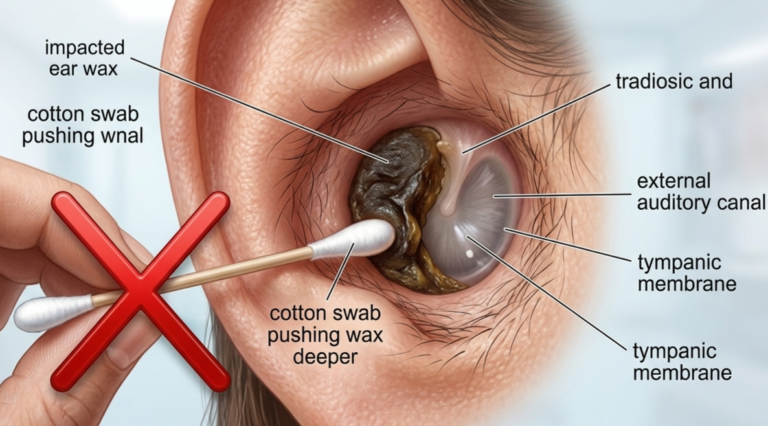
Recognizing the symptoms of ear wax blockage
A buildup of wax can affect hearing and cause discomfort. Symptoms often develop gradually as wax accumulates in the ear canal.
Common symptoms include:
- A feeling of fullness or blockage in the ear
- Reduced or muffled hearing
- Ringing in the ears (tinnitus)
- Earache or mild irritation
- Dizziness in some cases
- Itching inside the ear canal
Some people also report that cleaning ears feels good, which is why they repeatedly attempt to remove wax themselves. However, frequent manipulation can worsen the blockage.
Also Read – Everything About Ear Fullness
Did you know? Studies suggest that around 10% of children and up to 5% of adults experience ear wax blockage, while the prevalence may reach over 30% in elderly individuals. |
Understanding how to properly clean ears safely
Many people assume that ear hygiene requires frequent cleaning inside the ear canal. In reality, the ear is designed with a natural self-cleaning mechanism, explaining how to properly clean ears.
Ear wax (cerumen) slowly moves outward on its own through jaw movements such as chewing and talking. Because of this, learning how to properly clean ears is not about aggressively removing wax, but about using safe methods that support the ear’s natural cleaning process without causing damage.
When wax builds up excessively or begins to cause symptoms like fullness or muffled hearing, gentle cleaning methods may help. The key is to choose safe approaches and avoid techniques that push wax deeper into the ear canal.
Below are medically recommended methods that explain how to clean ears properly while protecting the delicate structures of the ear.
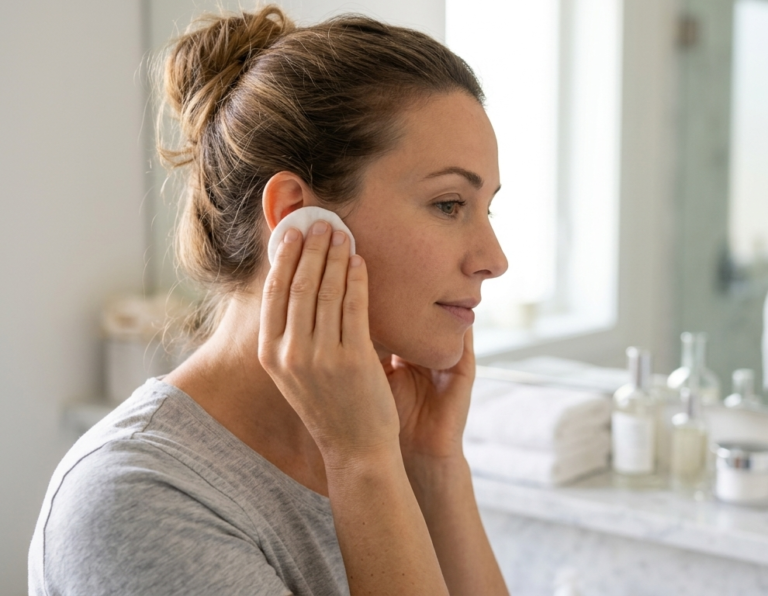
Cleaning the outer ear with a soft cloth
The simplest and safest approach is how to properly clean ears by cleaning only the external part of the ear. The outer ear, also called the auricle, can collect sweat, oil, and small debris during the day.
How to do it properly:
- During a shower or while washing your face, dampen a soft washcloth with warm water.
- Gently wipe the outer folds of the ear and behind the ear.
- Avoid inserting the cloth or your finger deep into the ear canal.
- Dry the ear gently with a clean towel afterward.
This method supports everyday hygiene without disturbing the ear’s natural wax movement. For most people, this is the best way to clean ears on a routine basis.
Using ear softening drops
If wax buildup becomes noticeable, softening the wax is often the first step recommended by doctors. Ear drops help break down hardened wax so it can gradually move out of the ear canal.
These drops may contain ingredients such as mineral oil, saline, glycerin, or specialized ear wax cleaner solutions available at pharmacies.
Steps for using ear drops safely:
- Tilt your head so the affected ear faces upward.
- Place the recommended number of drops into the ear canal.
- Remain in that position for several minutes to allow the drops to soften the wax.
- Tilt the head in the opposite direction so the fluid can drain out naturally.
- Wipe away any liquid that exits the ear.
This method is particularly useful for people who experience occasional wax buildup and are learning how to properly clean your ears without inserting objects into the ear canal.
Using hydrogen peroxide to loosen ear wax
Some individuals use diluted hydrogen peroxide in ear solutions to help dissolve hardened wax. Hydrogen peroxide creates a gentle bubbling effect that helps break down ear wax and loosen debris.
However, it should be used cautiously and not too frequently.
How to properly clean ears using hydrogen peroxide safely:
- Mix equal parts hydrogen peroxide and clean water (if not using a pre-diluted product).
- Lie on your side with the affected ear facing upward.
- Place a few drops of the solution into the ear canal using a dropper.
- Stay in that position for about 5 to 10 minutes, which answers a common question about how long to leave hydrogen peroxide in the ear.
- Sit up and allow the solution to drain from the ear.
The bubbling sensation is normal, but if pain, irritation, or dizziness occurs, the solution should be removed, and medical advice should be sought.
Gentle warm water irrigation
When wax has been softened by drops or natural oils, gentle irrigation with warm water can sometimes help flush the wax out, explaining how to properly clean ears.
Steps for safe irrigation:
- Use a rubber bulb syringe filled with body-temperature water.
- Tilt your head over a sink with the affected ear facing downward.
- Gently squeeze the bulb to allow a slow stream of water to enter the ear canal.
- Allow the water and loosened wax to drain out naturally.
- Dry the outer ear afterward.
Water that is too hot or too cold may cause dizziness, so maintaining body temperature water is important. Irrigation should never be performed if there is ear pain, infection, or a known eardrum injury.
Methods that should be avoided
Many people attempt unsafe techniques when trying to figure out how to remove stubborn ear wax at home. These methods may seem effective temporarily, but often worsen the blockage.
Avoid the following:
- Cotton swabs inserted into the ear canal
- Attempting how to scoop out ear wax at home using tools
- Hairpins, keys, or toothpicks
- Ear candling products
- Frequent aggressive deep ear cleaning
These methods commonly push wax deeper into the ear canal and may cause irritation or infection.
Another common habit is inserting fingers into the ear canal. Some people do this because cleaning ears feels good, as the ear canal contains sensitive nerve endings. However, repeatedly inserting fingers can introduce bacteria and increase the risk of irritation.
When professional ear wax removal is necessary
Sometimes wax becomes too compacted to respond to home treatment. In these cases, professional care is recommended.
During a consultation, Dr. Mustafa Kapadia performs a detailed ear examination using an otoscope to determine the severity of the blockage and rule out other ear conditions.
Professional ear wax removal may involve:
- Microsuction – a gentle suction device removes wax under magnification
- Medical irrigation – controlled flushing with specialized equipment
- Manual removal – using delicate instruments designed for ear procedures
These treatments are usually quick and painless, and they restore hearing almost immediately once the blockage is removed.
Patients looking for deep ear cleaning often benefit more from professional treatment than repeated home attempts, especially when learning how to properly clean ears.
Risks associated with improper ear cleaning
Improper ear cleaning is one of the most common reasons patients develop severe ear wax impaction.
Possible complications include:
- Wax pushed deeper into the ear canal
- Scratches or injury to the ear canal skin
- Ear infections
- Temporary hearing loss
- Damage to the eardrum in severe cases
Attempts to figure out how to remove ear wax blockage fast often lead people to unsafe methods that worsen the problem.
Practical ear care habits that help prevent wax buildup
Most ear wax problems can be avoided with simple daily habits.
Helpful preventive tips include:
- Avoid inserting objects into the ear canal
- Limit frequent use of earbuds when possible
- Allow ears to dry properly after swimming or bathing
- Seek medical care if hearing suddenly changes
- Avoid repeated deep ear cleaning attempts at home
Following these precautions helps maintain healthy ear function and prevents unnecessary irritation.
Knowing how to properly clean ears protects long-term ear health
Ear wax is a natural and protective part of the body’s defense system. While it often gets a bad reputation, cerumen actually helps maintain ear health by trapping dust, preventing infection, and lubricating the ear canal.
Problems arise mainly when wax becomes compacted or when people attempt aggressive cleaning methods. Learning how to properly clean ears can prevent unnecessary discomfort, hearing problems, and complications.
For persistent ear blockage, discomfort, or hearing changes, professional care is the safest option. Dr. Mustafa Kapadia provides expert evaluation and safe ear wax removal to restore comfort and hearing clarity.
FAQ's On How To Properly Clean Ears
The best way to clean ears is to clean only the outer ear with a damp cloth. The ear canal usually cleans itself naturally.
Regular ear canal cleaning is not necessary for most people. If symptoms appear, it is advisable to consult a specialist instead of frequent cleaning.
Avoid cotton swabs, sharp tools, or inserting fingers into the ear canal. Use safe ear drops if wax buildup occurs. How to properly clean ears safely matters.
Mild cases may respond to ear drops or diluted hydrogen peroxide, but persistent blockage should be treated by a doctor.
The ear canal contains sensitive nerve endings, so stimulation may produce a pleasurable sensation, which is why some people frequently attempt ear cleaning.
The fastest and safest method is professional ear wax removal by an ENT specialist, ensuring how to properly clean ears is done safely and effectively.
Diluted hydrogen peroxide in ear solutions may soften wax, although overusing it may irritate the ear canal.